Body Fat Measurement: A Comprehensive Guide to Understanding Your Body Composition
Beyond the number on the scale, body fat percentage offers a far more accurate and insightful metric for assessing health, fitness, and overall body composition. This guide will delve into the science behind body fat, explore various measurement methods, compare their accuracy, and provide practical advice for interpreting your results to support your health.
Featured Snippet: What is a healthy body fat percentage range?
A healthy body fat percentage typically ranges from 10-22% for adult men and 20-32% for adult women. These ranges can vary based on age, activity level, and individual health goals. Consulting a healthcare professional or a certified fitness expert can help determine your ideal range.
Why Body Fat Percentage is Crucial for Health Assessment
While Body Mass Index (BMI) provides a general screening tool, it has significant limitations, particularly for individuals with high muscle mass (e.g., athletes) or those with sarcopenic obesity (normal weight but high body fat). Body fat percentage directly quantifies the proportion of fat mass versus lean mass (muscle, bone, water), offering a clearer picture of health risks and metabolic status [1].
Key Reasons to Measure Body Fat:
- Accurate Health Risk Assessment: High body fat, especially visceral fat (around organs), is strongly linked to chronic diseases like type 2 diabetes, heart disease, and certain cancers, even in individuals with a 'normal' BMI [2].
- Tracking True Progress: During weight loss, body fat measurement helps differentiate between fat loss and muscle loss. Similarly, for muscle gain, it confirms increases in lean mass rather than just overall weight.
- Personalized Goal Setting: Understanding your body composition allows for more tailored dietary and exercise strategies.
Methods for Body Fat Measurement: Accuracy and Accessibility
Various methods exist for measuring body fat, each with its own level of accuracy, cost, and accessibility. It's important to choose a method that aligns with your needs and to understand its limitations.
| Method | Principle | Accuracy (Error Margin) | Accessibility | Pros | Cons |
|---|---|---|---|---|---|
| DEXA Scan (Dual-energy X-ray Absorptiometry) | Uses low-dose X-rays to differentiate bone, lean mass, and fat mass. | ±1-2% | Low (Clinical/Specialized Centers) | Gold Standard, provides segmental analysis, bone density. | Expensive, minor radiation exposure, requires appointment. |
| Hydrostatic Weighing (Underwater Weighing) | Measures body density by submerging the individual in water. | ±1.5-2% | Low (Specialized Labs) | Very accurate, considered a gold standard. | Requires specialized equipment, uncomfortable for some, time-consuming. |
| Bod Pod (Air Displacement Plethysmography) | Measures body volume by air displacement. | ±2-3% | Low (Specialized Labs) | Accurate, quick, comfortable. | Expensive, requires specialized equipment. |
| Skinfold Calipers | Measures subcutaneous fat thickness at multiple sites using calipers. | ±3.5-5% | High (Home/Gym) | Inexpensive, portable, no radiation. | Highly dependent on technician skill, less accurate for very obese individuals. |
| Bioelectrical Impedance Analysis (BIA) Scales | Sends a low-level electrical current through the body to estimate resistance. | ±4-8% | Very High (Home/Gym) | Convenient, easy to use, tracks trends. | Highly sensitive to hydration, recent exercise, and food intake; lower accuracy. |
Interpreting Your Body Fat Results
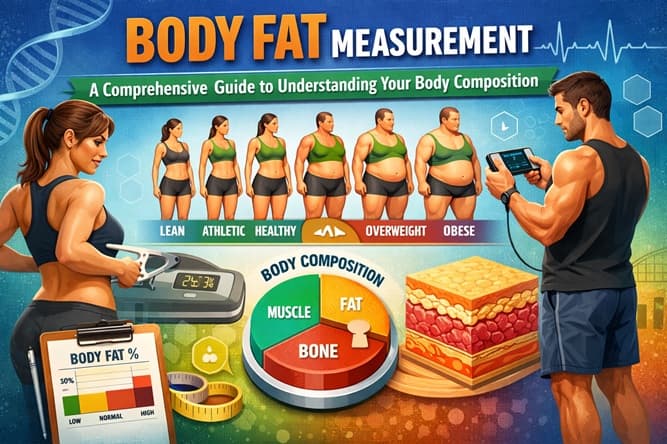
Understanding your body fat percentage in context is key. While general ranges exist, individual variations due to age, gender, and ethnicity should be considered. Focus on trends over time rather than single measurements, especially with less precise methods like BIA scales.
General Body Fat Percentage Ranges [3]:
| Category | Women | Men |
|---|---|---|
| Essential Fat | 10-13% | 2-5% |
| Athletes | 14-20% | 6-13% |
| Fitness | 21-24% | 14-17% |
| Acceptable | 25-31% | 18-24% |
| Obesity | 32%+ | 25%+ |
Strategies for Improving Body Composition
Achieving a healthy body fat percentage involves a combination of consistent effort in diet and exercise:
- Strength Training: Builds lean muscle mass, which increases metabolism and helps burn fat. Use our Exercise Calculator to plan your workouts.
- Balanced Nutrition: Focus on whole, unprocessed foods, adequate protein intake, and controlled calorie consumption. Our Calorie Calculator can help you determine your daily needs.
- Cardiovascular Exercise: Contributes to calorie expenditure and overall cardiovascular health.
- Hydration: Proper hydration is crucial for metabolic function and can influence BIA readings. Check your Water Needs.
By integrating these strategies and regularly monitoring your body fat percentage, you can effectively manage your health and achieve your body composition goals.
References
[1] Stanford Medicine. (2024). BMI, aka body mass index: What the science says. https://med.stanford.edu/news/insights/2024/11/bmi-body-mass-index-alternatives-science.html [2] Mayo Clinic. (n.d.). Obesity: Causes, symptoms, and treatment. https://www.mayoclinic.org/diseases-conditions/obesity/symptoms-causes/syc-20375742 [3] American Council on Exercise (ACE). (n.d.). What are the guidelines for percentage of body fat loss?. https://www.acefitness.org/education-and-resources/lifestyle/blog/112/what-are-the-guidelines-for-percentage-of-body-fat-loss/