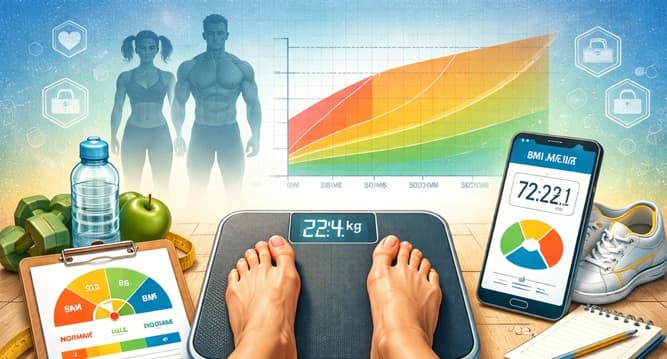

What is BMI?
Body Mass Index (BMI) is a simple calculation using a person's height and weight. The formula is BMI = kg/m² where kg is a person's weight in kilograms and m² is their height in metres squared.
BMI is a useful measure of overweight and obesity. It is calculated from your height and weight. BMI is an estimate of body fat and a good gauge of your risk for diseases that can occur with more body fat.
Featured Snippet: How to Calculate BMI?
To calculate your BMI manually, use the formula: Weight (kg) / [Height (m)]². A healthy BMI for adults typically ranges between 18.5 and 24.9. You can use our BMI Calculator for an instant and accurate result.
How is BMI Calculated?
The BMI formula is straightforward:
- Metric: BMI = weight (kg) / height² (m²)
- Imperial: BMI = 703 × weight (lbs) / height² (in²)
For the most accurate analysis, we recommend using our specialized BMI Calculator which supports both systems.
BMI Categories (WHO Standards)
According to the World Health Organization (WHO), weight categories are defined as follows:
| Category | BMI Range | Health Risk |
|---|---|---|
| Underweight | < 18.5 | High |
| Normal weight | 18.5 – 24.9 | Minimal |
| Overweight | 25.0 – 29.9 | Moderate |
| Obesity | > 30.0 | High |
If you find yourself in the overweight category, checking your Ideal Weight can help you set realistic health goals.
Limitations of BMI
While BMI is a useful screening tool, it has limitations:
- Muscle vs. Fat: It doesn't distinguish between muscle and fat. Athletes often have a high BMI but low Body Fat Percentage.
- Demographics: It doesn't account for age, sex, or ethnicity.
- Elderly: Older adults may have a "normal" BMI but high internal fat levels.
Why BMI Matters
Despite its limitations, BMI remains valuable because it's easy to calculate and correlates strongly with health risks. Monitoring your BMI along with your Weight History is a great way to track long-term wellness.
Tips for Maintaining a Healthy BMI
- Balanced Diet: Follow structured Meal Plans rich in whole foods.
- Regular Exercise: Use our Exercise Calculator to track your calorie burn.
- Stay Hydrated: Proper Water Intake is essential for metabolism.
- Monitor Calories: Calculate your daily needs using our Calorie Calculator.